
Faith, Dissent, and Conscience
A story of faith, dissent, and conscience
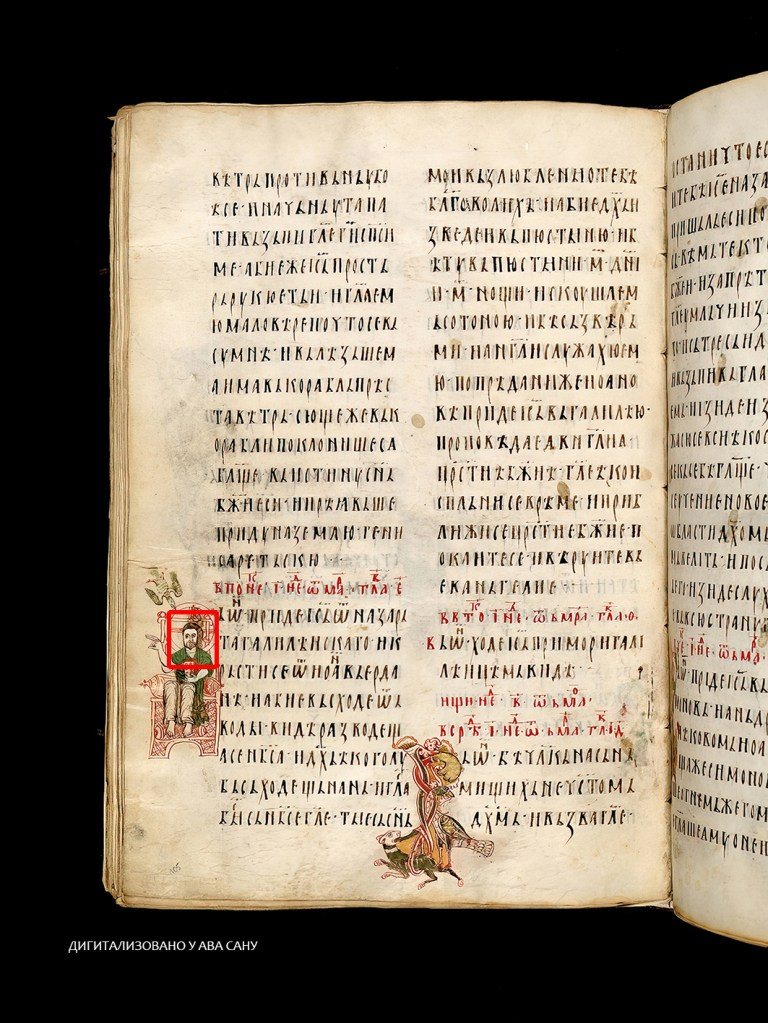

The spiritual history of the Balkans, with particular attention to Serbia, Bogomilism, and freedom of conscience.
Duhovno nasleđe Balkana is an independent cultural project devoted to the history of religious ideas and the relations between conscience, institutions, and power in the Balkan region. It begins with medieval testimonies about Bogomilism and broadens to Serbia, Bosnia, and the spiritual networks of south-eastern Europe. It then turns to contemporary memory, without seeking a direct descent from medieval dissidents to modern Serbia.
Start here
The Bogomils: history, sources, and religious dissent
An introduction to the dualist movement: hostile sources, the problem of evil, ecclesiastical condemnations, and the limits of what can be reconstructed.
Read the essay on the Bogomils →
Medieval Serbia: Nemanja and dissent
What does the Life of Simeon say about the suppression of heresy? An examination of the source, its dynastic context, and the relationship between ecclesiastical autonomy and religious freedom.
Read the essay on medieval Serbia →
The Bosnian Church and dualism
An open historiographical debate: contacts and influences do not by themselves prove that an entire Church was Bogomil.
Read the contribution on Bosnia →
Explore the sections
Historical research: medieval sources, religious dissent, and connections among Balkan communities.
Memory and conscience: contemporary Serbia, memories of conflict, and different forms of historical responsibility.
Method and sources: how we distinguish testimonies, scholarly reconstructions, and contemporary interpretations.
The guiding question
The project places different periods in dialogue through a question: how can the dignity of conscience be defended when a political or religious authority demands obedience? This is an explicitly philosophical comparison; it does not argue for historical continuity between medieval Bogomilism and contemporary Serbian society.
The research is independent and not affiliated with a university or institution.

Curator, publications, and contact
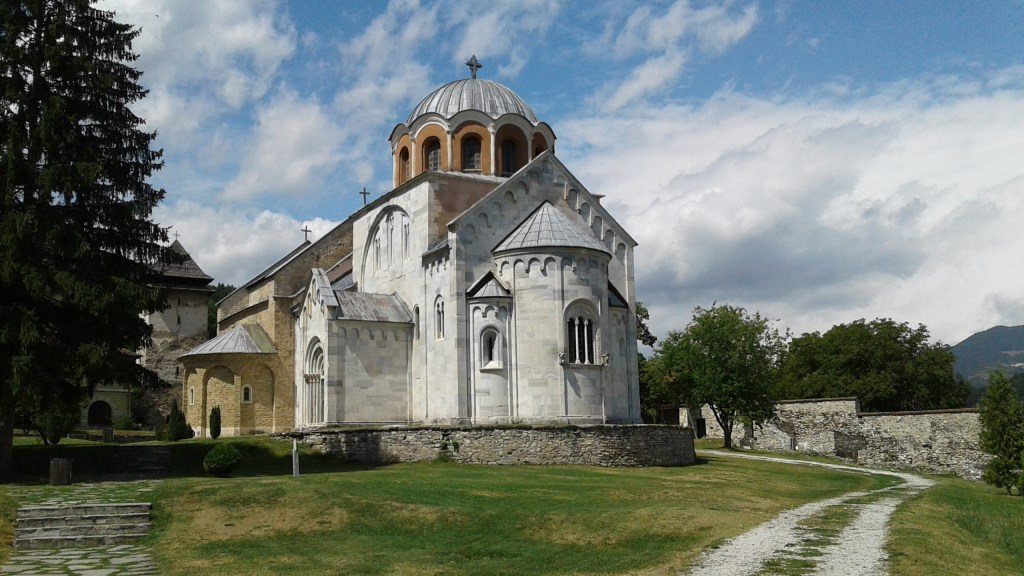
The project is curated by Simone Pozzi and is independent of universities and institutions. Personal publications are presented separately from the site’s historical contributions.
About the editor · Publications · Contact